
Print this page Understanding Nature: An Introduction to Conservation Biology
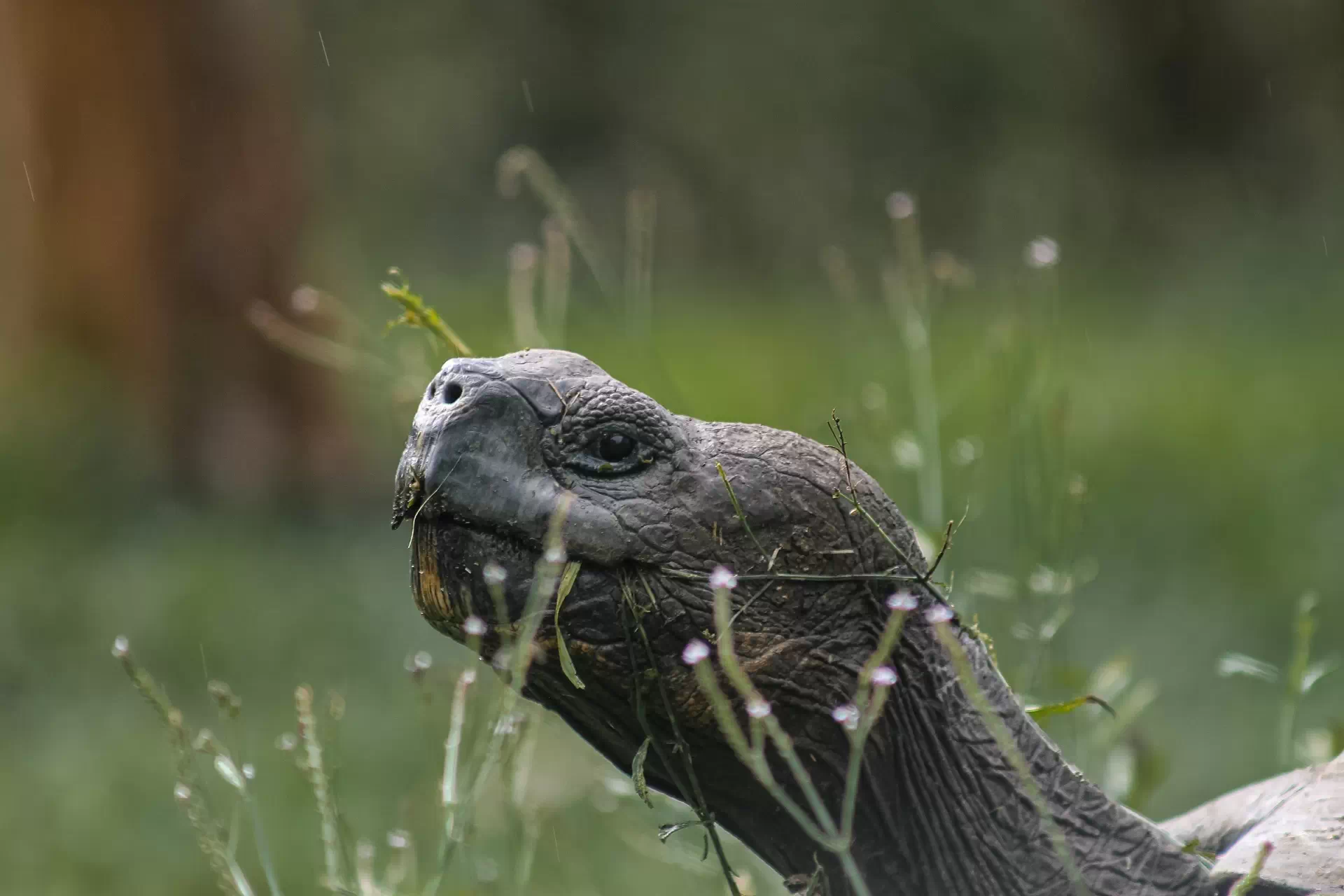
Conservation biology helps us understand and protect the extraordinary diversity of life on Earth. Designed for curious beginners, this introductory workshop explores topics ranging from cell biology and genetics to ecosystems, biodiversity and threatened species. Participants will discover how conservation scientists study the natural world and learn about the challenges and opportunities involved in protecting wildlife and habitats. Whether you're passionate about nature or simply curious about the science behind conservation, this course offers an accessible and inspiring introduction. No prior scientific knowledge is required.
DELIVERY MODE
- Face-to-Face
COURSE OUTLINE
- What is Biology, Conservation and Biodiversity
- Cell Biology
- Taxonomic Classification
- Ecology
- Conservation Genetics
- An in depth look into the world of Conservation
- What you can do to help
LEARNING OUTCOMES
By the end of this course, students should be able to:
- Describe an overview of conservation biology and the industry.
- Have a basic understanding of cell biology: what are prokaryotes and eukaryotes, our cells vs other cells & how humans are similar to other species
- Understand how species are classified in science and the history of classification
- Describe what is ecology, and how this influences the patterns in the world we see on various levels such as population, community and ecosystem.
- Understand how vital genetics is to conservation through genetic variation among individuals, populations and species and how it influences evolutionary processes.
- Students will gain a thorough understanding of conservation biology including the patterns of biodiversity, conservation principles and management practices.
- Students will be able to become an advocate for nature with the knowledge of how they can contribute to conservation in their community, and make informed choices with their new skills.
ADDITIONAL INFORMATION
Please bring along a mobile phone to this workshop if you have one.
Understanding Nature: An Introduction to Conservation Biology
<p>Conservation biology helps us understand and protect the extraordinary diversity of life on Earth. Designed for curious beginners, this introductory workshop explores topics ranging from cell
...