
Print this page Dogs throughout History: From Prehistory to Modern Times
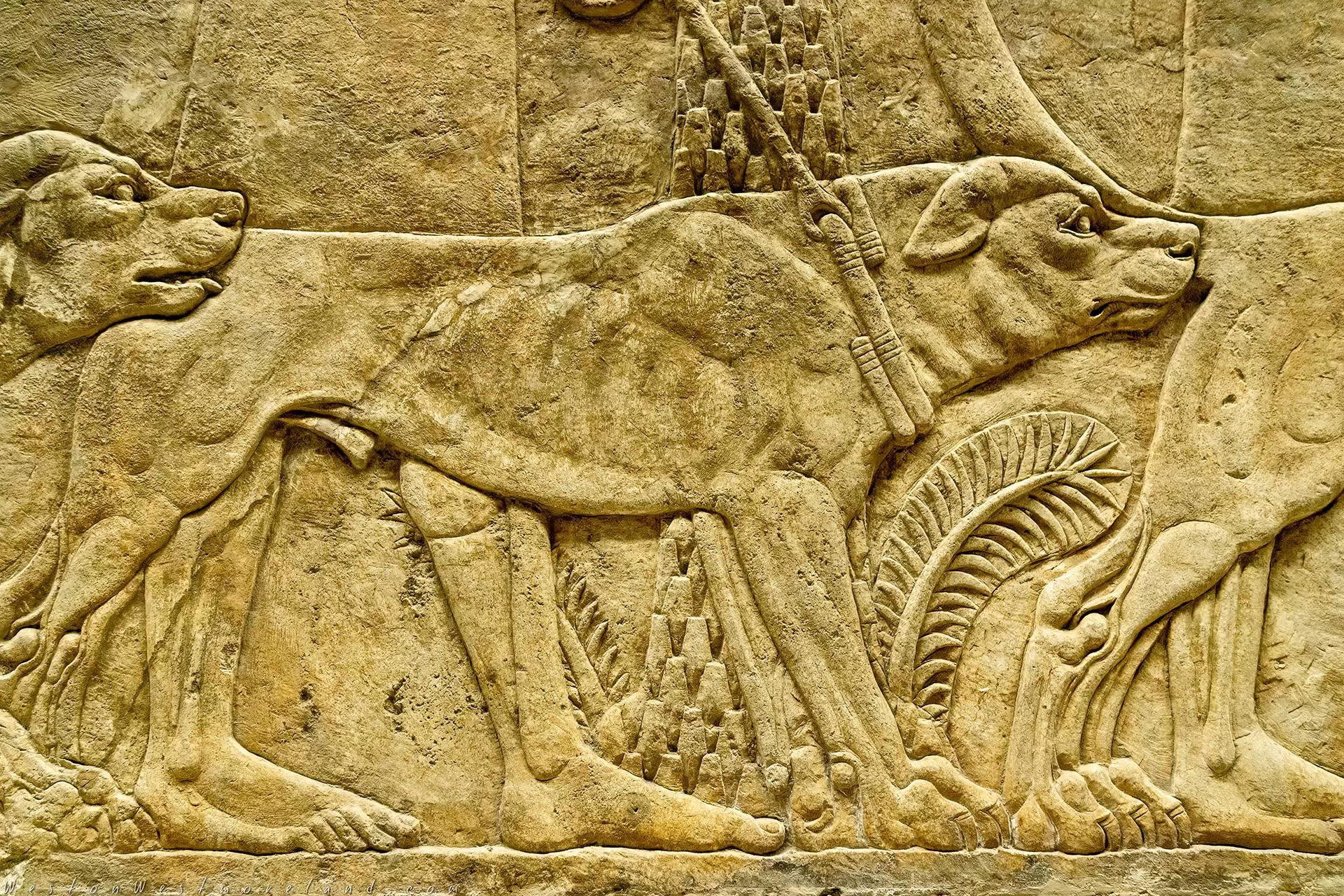
Trace the remarkable history of dogs, from early domestication to modern companions, exploring their roles in myth, work, culture and everyday human life.
Dogs have shared human lives longer than any other animal. This course explores the history of dogs from early domestication to their roles as workers, companions and cultural symbols. We examine how dogs have appeared in myth, art and everyday life, and how changing human societies shaped our enduring bond with them. Ideal for animal lovers and anyone curious about the deep history of human–dog relationships.
DELIVERY MODE
- Face-to-Face
COURSE OUTLINE
- Introduction: Humans and dogs - an enduring bond
- Prehistoric domestication of dogs: theories and evidence
- Dogs in ancient civilizations: Egypt, Mesopotamia, Greece, Rome
- Medieval dogs: hunting, guarding, and companionship
- Dogs in mythology, symbolism, and religion across cultures
- Working dogs through history: herding, hunting, and service roles
- The rise of dog breeds and selective breeding
- Transition from working animal to companion animal in modern society
- Dogs in contemporary culture: pets, therapy, and social roles
- Reflections on the evolving human-dog relationship
LEARNING OUTCOMES
By the end of this course, students should be able to:
- Understand key theories surrounding the domestication of dogs
- Identify the roles and functions of dogs in ancient, medieval, and historical societies
- Explore the presence of dogs in mythology, symbolism, and belief systems across cultures
- Trace the evolution of dogs’ roles from working animals to modern companions
$92
Limited
inc GST
/
$83
Dogs throughout History: From Prehistory to Modern Times
<p>Dogs have shared human lives longer than any other animal. This course explores the history of dogs from early domestication to their roles as workers, companions and cultural symbols. We examine
...
Mo
Tu
We
Th
Fr
Sa
Su
Magdalena Tausch
BA, Dip. Graphic Design and Photography
Magdalena Tausch has a Bachelor of Arts & Diploma in Graphic Design and Photography and is a passionate educator, storyteller, and creative professional who brings history to life in engaging and...