
Print this page Brick Built This City: Shaping Sydney, 1788 to the Present Day
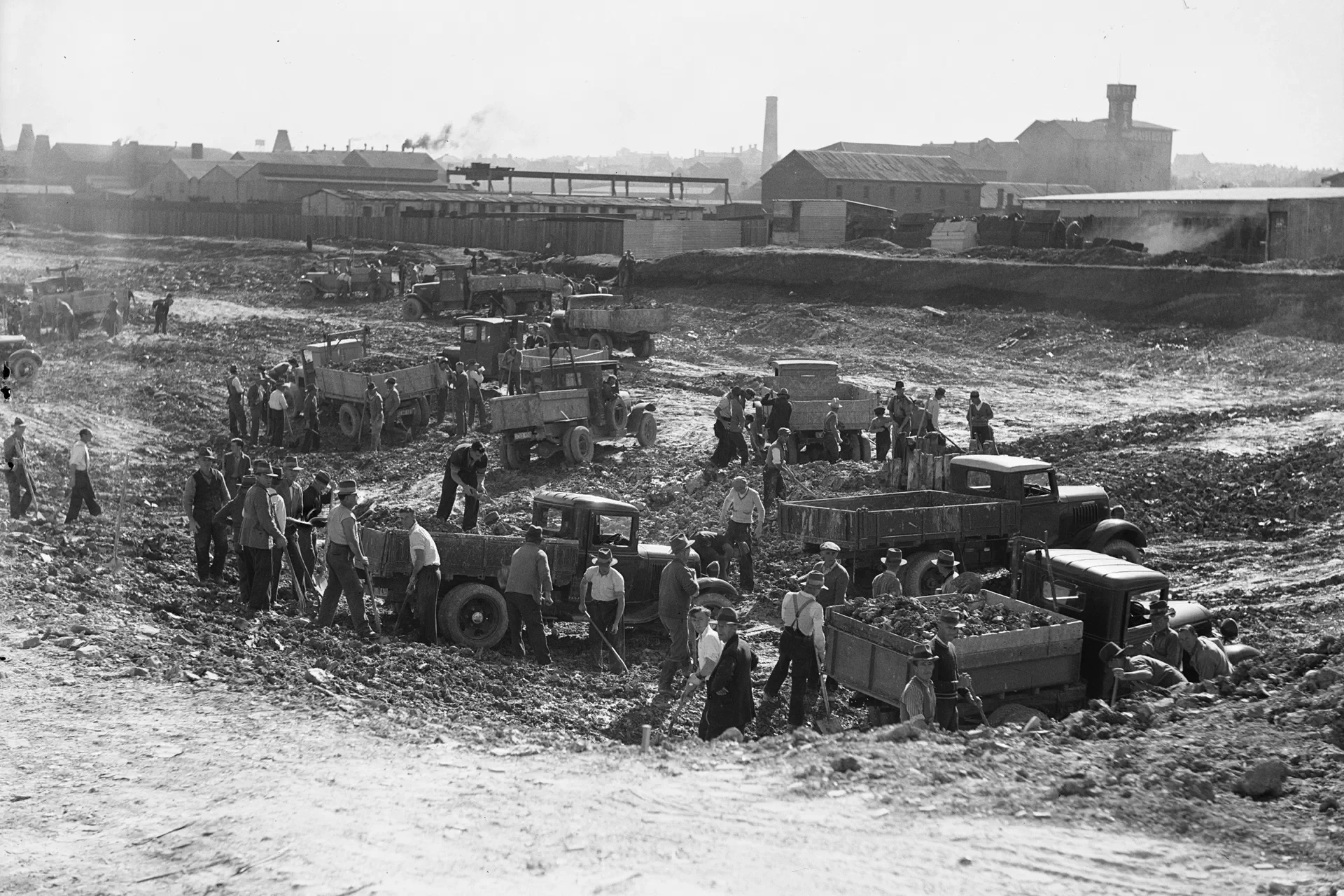
Explore Sydney’s built environment through one deceptively simple material: brick. This course traces the city’s brick story in a 3 part form, from the earliest colonial buildings of 1788, through the rapid industrial and suburban growth of the late 19th and early 20th centuries, to the modern era of mass production and contemporary design from 1930's to present day. You’ll discover how bricks were made, transported, and used to shape homes, streets, and public spaces, and how different types, colours, and finishes contributed to Sydney’s architectural character. Along the way, the course highlights how brick became a symbol of stability, aspiration, and identity, linking material history to social change, urban development, and the evolving face of New South Wales.
Note: This course follows the Brick Built This Sydney historical walk course.
DELIVERY MODE
Face to face
COURSE OUTLINE
This course will consider:
- Technological change in brickmaking: from clay winning to kiln firing
- Mass production and evolving kiln and extrusion technologies
- Brick production landscapes: St Peters, Sydney and the Brick Mile
- Labour in the brick industry: working‑class employment, child labour, unions and relations
- Business structures: family firms, large enterprises, limited liability and amalgamations
- Economic shocks: the 1890s Depression, interwar decline and near collapse
- Key industry players: The Austral Brick Company Ltd and William King Dawes
- Housing and urban form: double brick homes, texture bricks and cavity walls
- Immigration, postwar boom and inner‑city apartment expansion
- Wartime austerity and the 1950s brick shortage
- From dry‑pressed to extruded bricks: the last 75 years of change
- Suburban expansion: McMansions and shifting construction trends
- Contemporary challenges: housing demand and the evolving housing crisis
LEARNING OUTCOMES
By the end of the course, students should have gained an understanding of:
- The continuing relevance of brick in building and construction
- Changing tastes
- The evolving housing crisis
- The disadvantages in artisan-built non mass-produced dwellings
COURSE RESOURCES
Most texts and publications approach the subject of bricks from a specialist, technical or academic perspective, although the reader will also find useful information in many heritage submissions.
The Brickmasters: 1788-2008, R. E. Ringer provides a deep-dive into the evolution of the brick industry in colonial Sydney to the present day.
Other publications by Ron Ringer exploring the use of brick in contemporary architecture include the ‘Materiality’ series (2015, 2019, 2021, 2024).
Course image courtesy of Mitchell Library, State Library of New South Wales: FL20748372
Brick Built This City: Shaping Sydney, 1788 to the Present Day
<p>Explore Sydney’s built environment through one deceptively simple material: brick. This course traces the city’s brick story in a 3 part form, from the earliest colonial buildings of 1788, through
...