
Print this page How to Read Music (Sort Of)
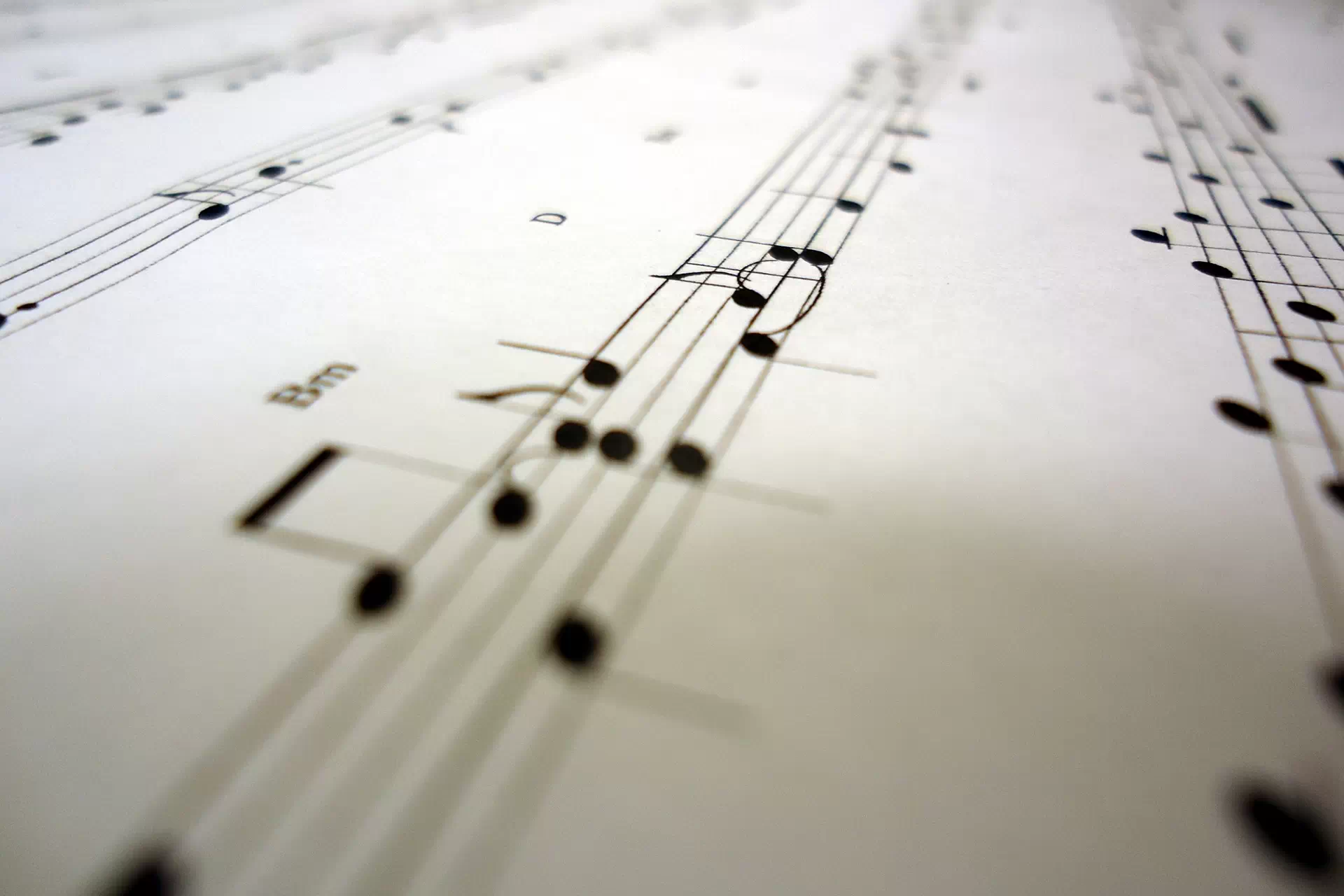
Reading music may seem mysterious, but understanding the basics is easier than many people think. This beginner-friendly course introduces the fundamentals of Western music notation, helping participants understand how pitch, rhythm, tempo and musical expression are represented on the page. Rather than trying to master music reading in a single session, the course provides an enjoyable introduction that reveals how written music works and how composers communicate their ideas. Suitable for complete beginners and anyone curious about music. No previous musical knowledge is required.
DELIVERY MODE
Face to face
COURSE OUTLINE
- The origins of music notation
- How pitch is notated: lines and spaces
- How rhythm is written
- Time signatures, bars and barlines
- How different instruments are written: clefs and ranges
- Musical navigation
- What conductors are looking at
- How choral music is notated
- How musical expression is written
- Chords and chord symbols
- Score reading as a hobby
- Gaining fluency
- Why musicians write on their scores
- Sight reading, sight singing, and hearing music in your head
LEARNING OUTCOMES
By the end of this course, students should be able to:
- Describe the basic principles of notating pitch in western music
- Indentify some aspects of rhythm notation in western music
- Understand how to become more fluent in reading music notation
How to Read Music (Sort Of)
<p>Reading music may seem mysterious, but understanding the basics is easier than many people think. This beginner-friendly course introduces the fundamentals of Western music notation, helping
...