
Print this page Transcultural Foods: How Dishes Travel, Change and Connect Cultures
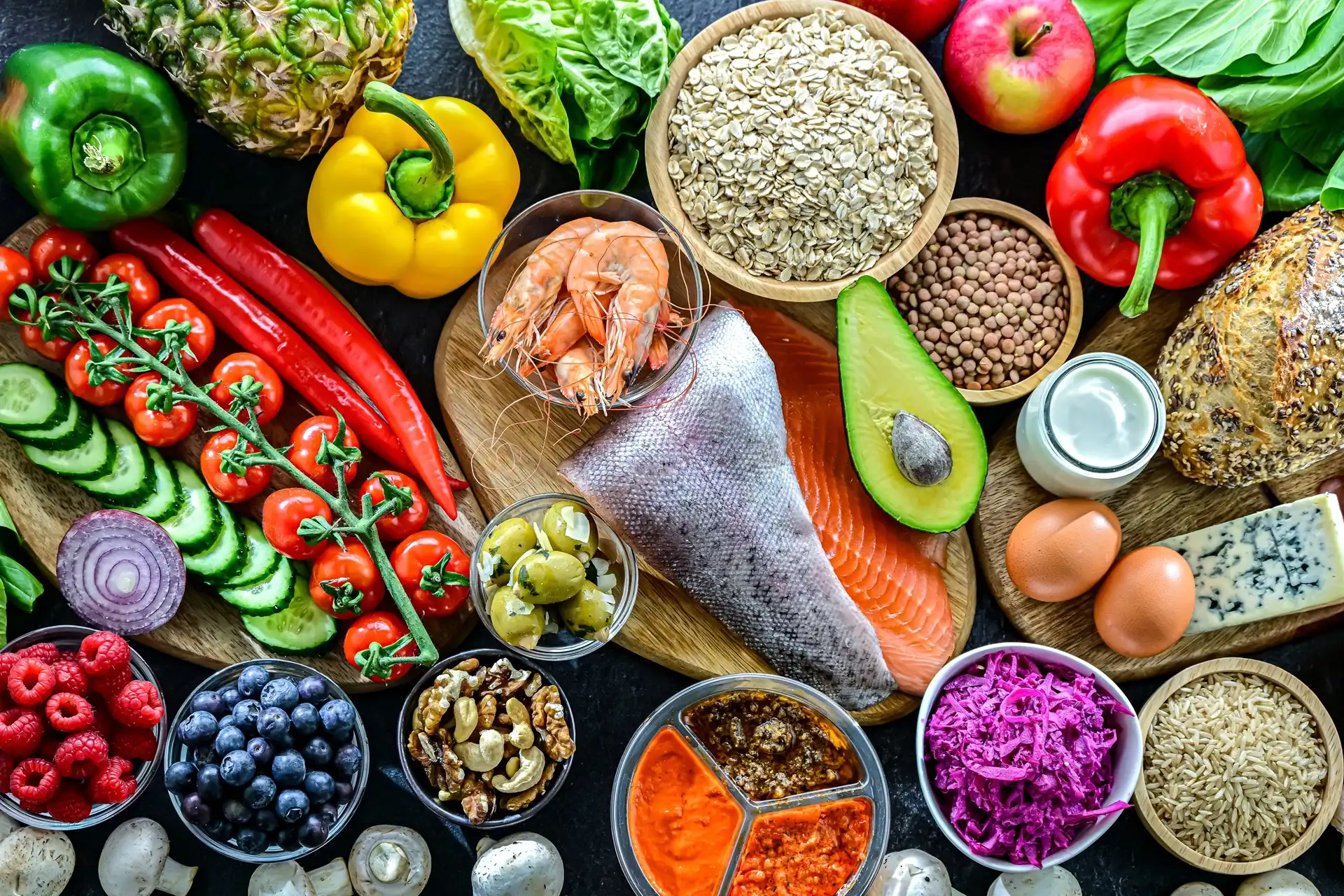
Discover how foods such as dim sum, pizza and sushi travel across borders, change meaning, and help shape identity in an age of migration, platforms and fusion cuisine.
Food carries memory, identity and cultural meaning, but it also travels, adapts and transforms. This course explores how dishes move across borders, become contested in questions of origin and ownership, and take on new life in transcultural forms. Using examples such as dim sum, pizza, curry and sushi, we examine how food can reshape identity beyond national boundaries. The course also looks at how delivery platforms and social media influence the spread, reinvention and marketing of fusion cuisines. A lively course for anyone interested in culture, food history and everyday globalisation.
Delivery Mode
- Face to face
Learning Resources
- Bray, Tamara L. (2021), Social Life of Food, pp. 57-72. In Chou, Cynthia and Kerner, Susanne (eds), Food, Social Change and Identity. Switzerland: Palgrave Macmillan.
- Chapple-Sokol, Sam (2013), Culinary Diplomacy: Breaking Bread to Win Hearts and Mind, The Hague Journal of Diplomacy, 8:161-183.
- Ichijo, Atsuko., Johannes, Venetia., and Ronald Ranta (eds) (2019), The Emergence of National Food: The Dynamics of Food and Nationalism. London: Bloomsbury.
- Islam, Md. Nazrul (2026), “Imagined” authenticity: Pursuit of Chinese cuisine in Bangladesh. Food and Foodways, Vol 34, Issue 1.
- Islam, Md. Nazrul, Wangmeiqi Wei, and Yichen Zhang (2026), “From Trade Routes to Taste Routes: South Asian Culinary Presence in China’s Belt and Road Era”. In Islam Md. Nazrul and Qiong Zeng (eds.), Human Bridges Across Asia: China-South Asia Dynamics in a New Belt and Road Era. Routledge-Tylor and Francis.
Course Outline
- Conceptual Foundations
• Defining food, culture, and transculturalism - Food, Nation, and Identity
• Culinary nationalism and identity formation
• Authenticity, heritage, and ownership of food
• Debates over “who owns” a cuisine - Transcultural Food Flows and Case Studies
• Dim sum and diasporic Chinese identity
• Curry and colonial/postcolonial transformations
• Hotpot and regional variation
• Naan and South Asian culinary diffusion
• Pizza as a globalized and localized food - Localization and Adaptation
• Glocalization of food Practices-Case McDonald, KFC, Zhen Kungfu
• Iconic examples of localized global foods - Digital Platforms and Food Cultures
• Platform economies and food delivery systems - Case studies: Meituan, Uber, Grab
• Algorithmic visibility and food trends
• Visual culture (Instagram, TikTok, YouTube) and food aesthetics
• Digital mediation of transcultural food habits
Learning Outcomes
By the end of the course, learners will be able to:
- Analyze how food reflects cultural identity, history, and social meaning beyond basic nutrition.
- Evaluate how certain foods become contested symbols of nationalism and cultural ownership.
- Explain the concept of transcultural food and how global food items evolve across regions.
- Assess the role of digital platforms and social media in shaping contemporary food trends and fusion cuisines.